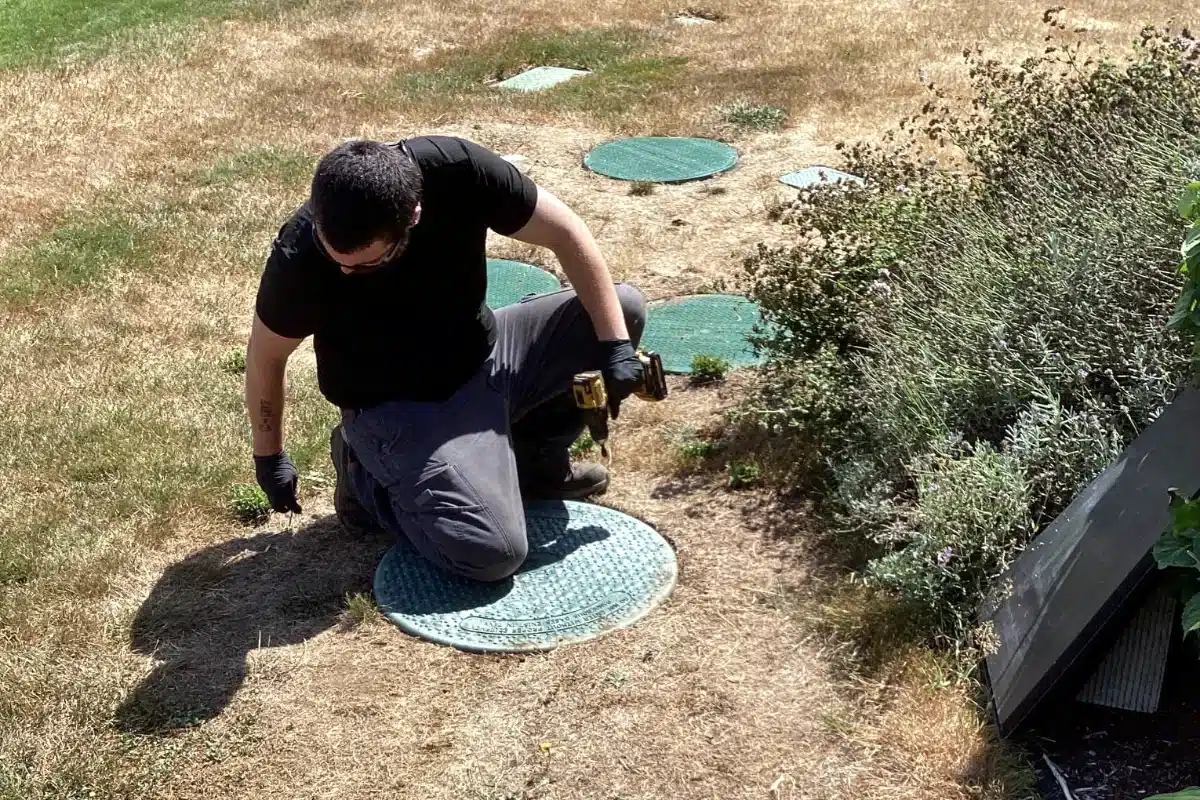
How to Find Your Septic Tank Lid on Your Property
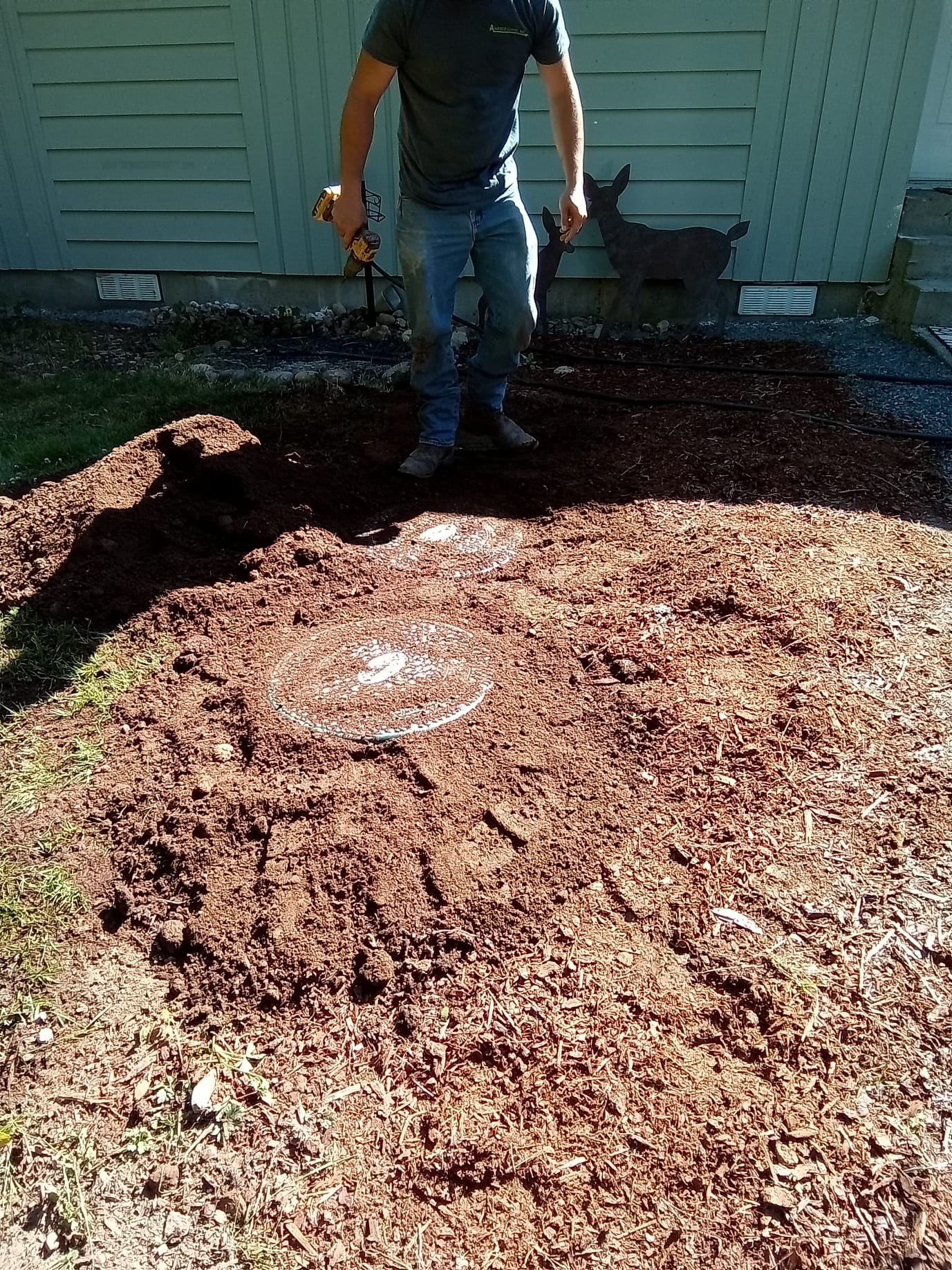
If you own a home with a septic system, there may come a time when you need to find your septic tank lid. Maybe you are scheduling pumping, getting an inspection, troubleshooting a problem, or just trying to understand your system better.
The problem is, many homeowners have no idea where the tank is located — let alone where the lid is.
The good news is that there are usually a few reliable ways to narrow it down. With the right approach, you can often locate your septic tank lid without tearing up your yard.
Why You Might Need to Find the Septic Tank Lid
Your septic tank lid is the access point to the tank. It allows a septic professional to inspect the tank, measure sludge levels, pump it out, and check components like baffles and filters.
You may need to locate the lid if:
- Your tank is due for pumping
- You are scheduling a septic inspection
- You want to check or clean the effluent filter
- You are having slow drains or backup issues
- You are buying or selling a home
- You want to install risers for easier future access
If the lid cannot be found easily, the service visit may take longer and require more digging.
Start With the Septic As-Built
The easiest place to start is your septic as-built or site diagram.
This document often shows:
- The approximate tank location
- The drain field location
- The direction of flow from the house
- Basic system layout
If you already have your as-built, use it as your map. If not, it may be available through your local health department or county records, depending on where you live.
Keep in mind that as-builts are helpful, but they are not always perfectly exact. Over time, landscaping, additions, and grading changes can make the actual tank location slightly different than expected.
Follow the Sewer Line From the House
Another common way to locate the tank lid is to start at the home and follow the main sewer line out.
In most homes, the septic tank is located in a straight line from where the main sewer pipe exits the house. The tank is often buried 10 to 25 feet from the foundation, though that distance can vary.
A few clues can help:
- Look for the main plumbing exit point in the crawl space or basement
- Find the cleanout outside, if there is one
- Estimate a straight path outward into the yard
The tank is usually installed somewhere along that line before the drain field.
Look for Visual Clues in the Yard
Even when the lid itself is buried, the yard may offer hints.
Watch for:
- A slight mound or raised area
- A patch of grass that looks different from the rest
- Areas where snow melts faster
- Depressions or settling in the soil
- Lids or risers that sit just above grade
- Cleaner or newer-looking soil in one section
Some older tanks have lids buried well below the surface, while newer systems may have risers that bring the lid closer to ground level.
Use a Probe Carefully
A soil probe can sometimes help locate the edges of the tank, especially if you already have a rough idea of where it is.
A septic tank is usually rectangular, and probing carefully can help you identify its outline under the soil. Once you find the tank edges, you can estimate where the access lid is located.
Important: probing should be done gently and carefully. You do not want to damage pipes, wiring, or tank components. Never use aggressive tools or heavy equipment unless you know exactly what is below.
Know That the Lid May Not Be Centered
A lot of homeowners assume the lid is in the exact middle of the tank, but that is not always the case.
Depending on the tank design, there may be:
- One lid
- Two lids
- A lid over the inlet side
- A lid over the outlet side
Some tanks have separate access points for pumping and inspection. That means finding the tank itself does not always mean you have found the right lid right away.
Don’t Confuse the Tank With the Drain Field
This is a common mistake.
The septic tank is the buried container that holds and separates wastewater solids.
The drain field is the area where treated effluent disperses into the soil.
You should never dig randomly in the drain field trying to find the tank lid. The tank is usually located between the house and the drain field.
Be Careful Digging Around the Lid
Once you think you have found the lid area, dig carefully by hand.
Avoid using large mechanical equipment unless absolutely necessary. Septic components can be damaged if you dig too aggressively.
Also, never open a septic tank lid yourself unless you understand the safety risks. Septic tanks can contain dangerous gases and should be handled with caution.
When to Call a Septic Professional
Sometimes finding the lid is easy. Sometimes it turns into a frustrating search.
A septic professional can usually locate the tank and lid much faster using experience, records, probes, and system knowledge. If you have an upcoming pumping or inspection appointment, it may save time to have the lid professionally located and uncovered.
This is especially true if:
- The property has changed over the years
- The tank has never been exposed before
- The as-built is missing or unclear
- You suspect the yard layout no longer matches the original plan
- You want risers installed once the lid is found
Make Future Access Easier
Once the septic tank lid is located, many homeowners choose to make future service easier by installing a riser.
A riser brings the access point closer to the surface, which means:
- Less digging at future service visits
- Faster inspections and pumping
- Easier access to filters and components
- Lower labor time during maintenance
If your lid is buried deep, a riser can be a smart long-term upgrade.
Final Thoughts
Finding your septic tank lid on your property is not always as simple as it sounds, but it is usually possible with the right steps. Start with your as-built, follow the sewer line from the house, look for yard clues, and be cautious when probing or digging.
And if you are not sure, it is better to call a septic professional than risk damaging the system.
Knowing where your septic tank lid is can save you time, money, and stress the next time your system needs service.
Need help locating your septic tank lid in Snohomish County? Contact A Wesco Septic and we’ll help you find the tank, access the lid safely, and get your system ready for service.