Common Septic Issues in Older Snohomish County Homes
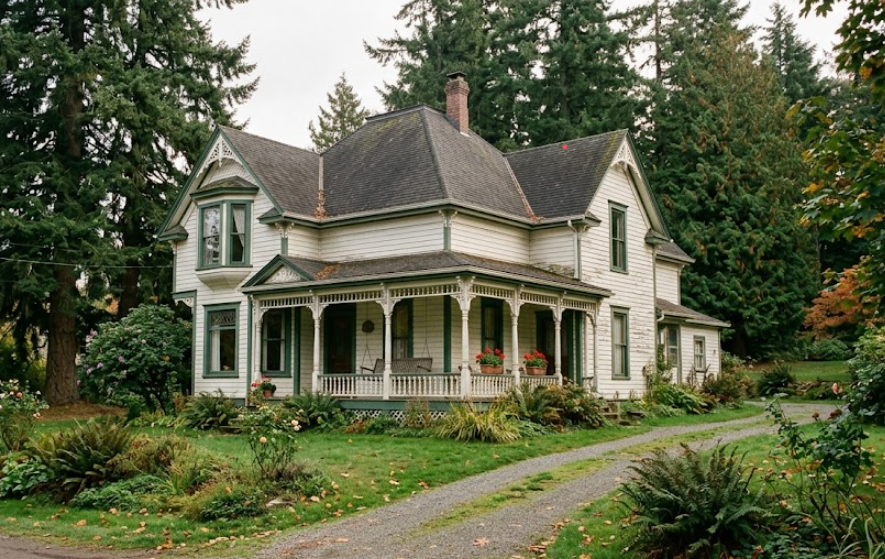
Older homes in Snohomish County have a lot of charm — larger lots, established neighborhoods, and solid construction. But if the property has a septic system, age can also bring hidden problems.
Many older septic systems were installed decades ago. Some have been well maintained over the years, while others have been pumped inconsistently, repaired with short-term fixes, or simply pushed beyond what they were designed to handle. That does not always mean the system is failing, but it does mean homeowners should pay closer attention.
If you own an older home with septic, here are some of the most common issues to watch for.
1. The Septic Tank Has Not Been Pumped Regularly
One of the biggest problems in older homes is simple neglect. A septic system can work quietly for years, so it is easy for homeowners to forget about it until something goes wrong.
If the tank has not been pumped on a regular schedule, solids can build up and move into places they should not. That can lead to clogs, slow drains, backups, and damage to the drain field.
Warning signs may include:
- Slow sinks and tubs
- Gurgling drains
- Sewage odors outside
- Wet or soggy spots in the yard
- A history of “it has been a long time since it was pumped”
A lot of septic problems start with overdue maintenance.
2. The Drain Field Is Aging or Overworked
In many older Snohomish County homes, the drain field is one of the biggest concerns. Even when the tank itself is still structurally sound, the drain field may have years of wear behind it.
Over time, drain fields can become less effective due to age, heavy usage, poor maintenance, soil saturation, or damage from vehicles, landscaping, or root intrusion. Older systems may also have been designed for a smaller household than the one living there now.
Common warning signs of drain field trouble include:
- Standing water in the yard
- Lush green grass over one area
- Bad smells outdoors
- Toilets or drains backing up
- Problems that get worse during wet weather
In Snohomish County, rainy conditions can make drain field issues show up faster — especially on already stressed systems.
3. Outdated System Design
Some older homes have septic systems that were built to standards from another era. The system may still function, but it may not match modern usage patterns.
For example, an older home may now have:
- More full-time occupants
- More water use
- Additional bathrooms
- A garbage disposal
- Laundry demands that are much heavier than in the past
Even if nothing is technically “broken,” an older system can struggle if today’s household puts more demand on it than it was originally built to handle.
4. Missing Records or Unknown System Layout
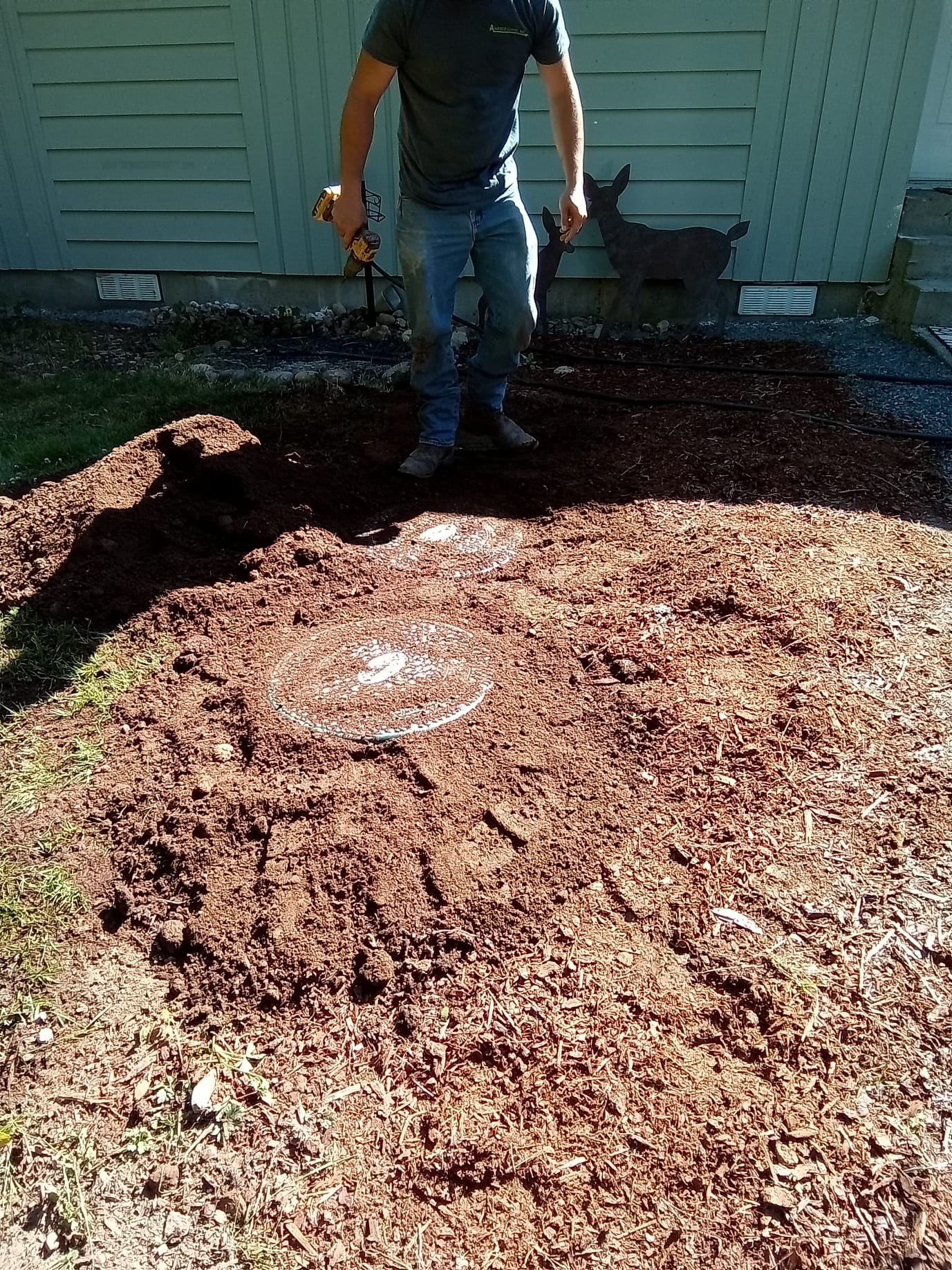
Another common issue with older homes is that homeowners often do not know exactly where the tank, lines, or drain field are located.
Sometimes records were lost. Sometimes the home has changed hands several times. Sometimes the current owner was never given a clear explanation of the system layout.
This creates problems when it is time for:
- Pumping
- Inspections
- Repairs
- Landscaping
- Fence installation
- Driveway work
- Home additions
If you do not know where your septic components are, it becomes much easier to accidentally damage them or delay needed service.
5. Cracked or Deteriorating Components
Age affects more than just performance. It can also affect the condition of septic components.
In older systems, professionals sometimes find:
- Worn or damaged baffles
- Corroded lids
- Deteriorated risers
- Broken pipes
- Failing pumps or floats
- Structural wear inside the tank
Not every old system has these issues, but age increases the likelihood that some parts may need repair or replacement.
6. Tree Root Intrusion
Older homes often have mature trees, which homeowners usually love — until roots find their way into septic lines.
Roots naturally seek moisture, and septic pipes can become a target over time. Once roots get into lines, they can restrict flow, create blockages, or damage the piping.
Signs of possible root intrusion include:
- Slow drains that keep returning
- Frequent clogs
- Sewage smells
- Wet areas near buried lines
- Repeated service issues without a clear cause
This is a common issue on properties with long-established landscaping.
7. Water Overload From Leaks or Modern Habits
Many older homes also have plumbing leaks or fixtures that use more water than homeowners realize. A running toilet, dripping faucet, or frequent back-to-back laundry loads can overload an already aging septic system.
That extra water has to go somewhere. If the septic system is older and already under stress, too much water can cause poor performance even when the tank is not technically full.
This is why a septic issue is not always just a “tank problem.” Sometimes the real issue is how much water the home is sending into the system every day.
What Homeowners Should Do
If you own an older home in Snohomish County, the best thing you can do is be proactive.
A few smart steps include:
- Schedule routine pumping
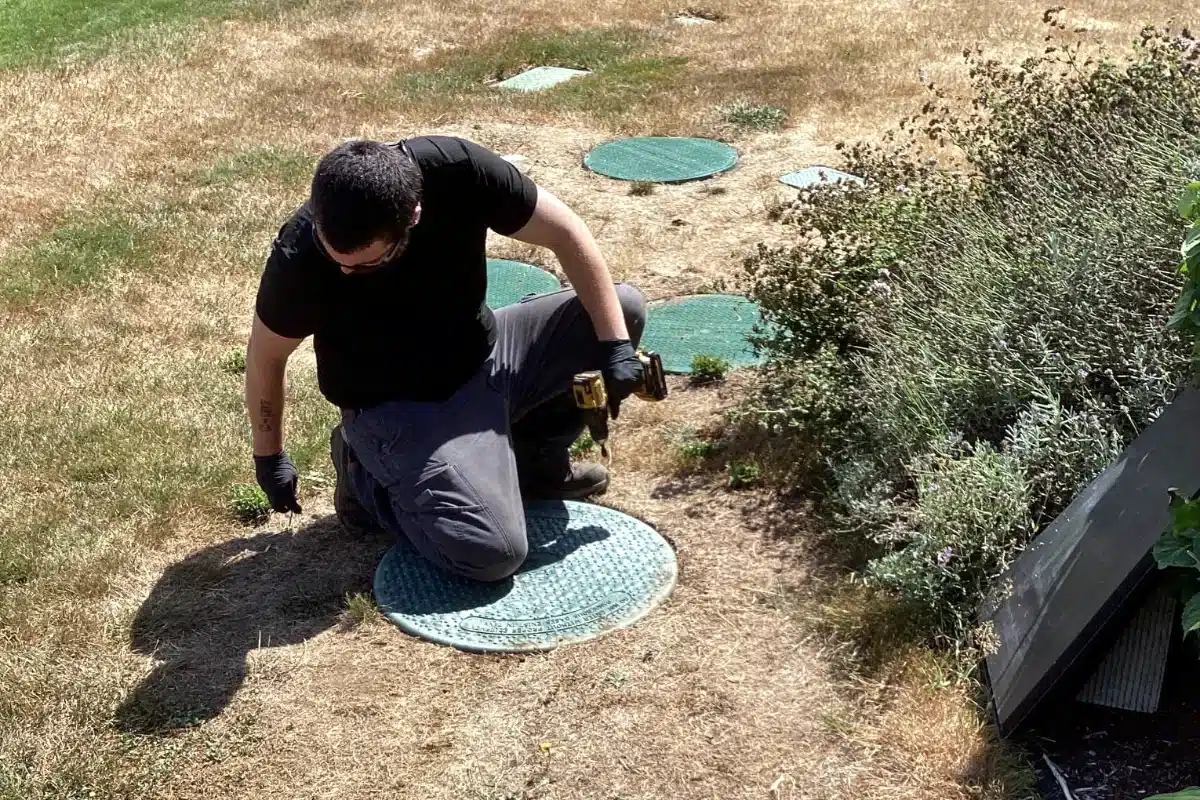
- Have the system inspected if you are unsure of its condition
- Locate the tank and drain field
- Keep records of service and repairs
- Watch for early warning signs instead of waiting for a backup
- Avoid driving, building, or digging over septic areas
An older septic system is not automatically a bad system. Many older systems can keep working well when they are maintained properly. The biggest problems usually happen when homeowners wait too long to inspect, pump, or address the warning signs.
Need Septic Help for an Older Home?
If you own an older home in Snohomish County and are not sure how your septic system is doing, A Wesco Septic can help. We provide septic pumping, inspections, and honest guidance so homeowners can catch small issues before they turn into expensive problems.
Contact A Wesco Septic today to schedule service in Snohomish County.