
What Happens If Your Drain Field Gets Compacted?
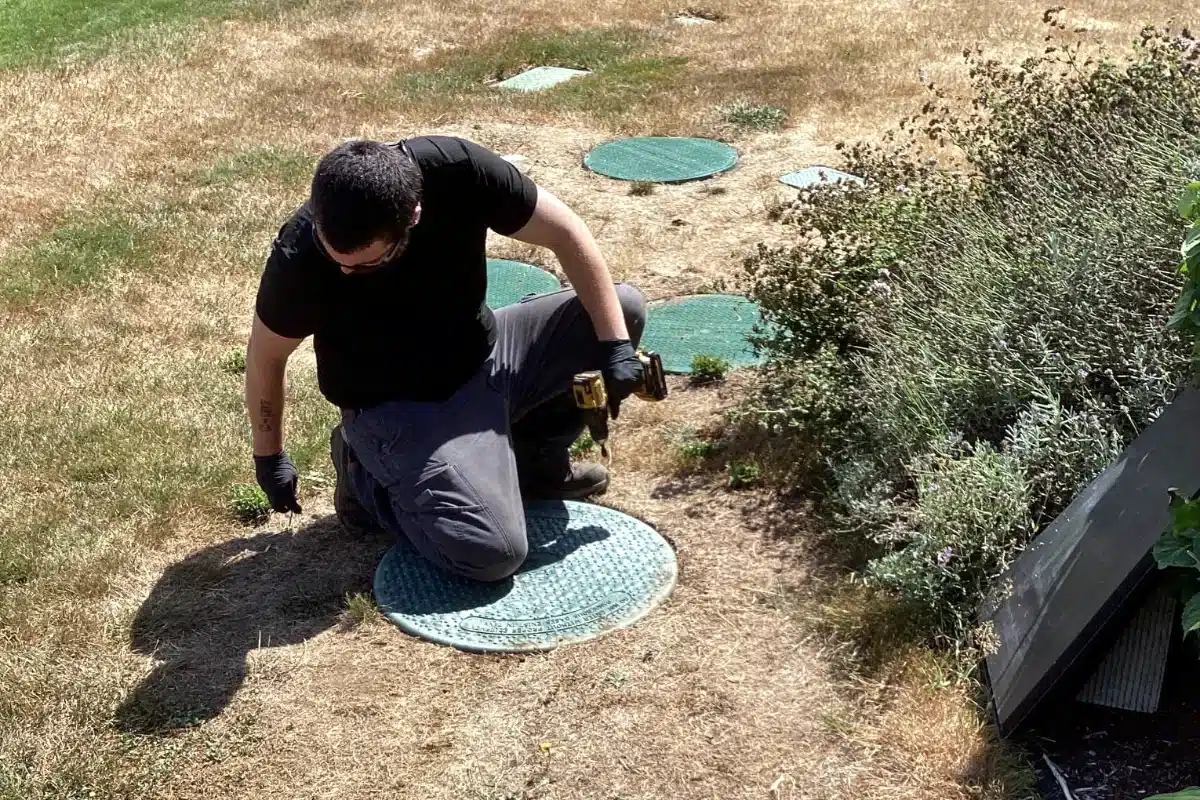
If you own a home with a septic system, your drain field is one of the most important parts of the system. It is also one of the most vulnerable.
One of the most common causes of drain field damage is soil compaction — something many homeowners don’t realize they are causing.
So what actually happens when a drain field becomes compacted?
Let’s break it down.
What Is Drain Field Soil Compaction?
Your drain field works because wastewater flows through pipes and slowly filters through loose soil. The soil naturally removes bacteria, nutrients, and contaminants before the water reaches the groundwater.
For this process to work, the soil must stay porous and full of air pockets.
When soil becomes compacted, those air spaces disappear. That means water cannot move through the soil properly anymore.
Compaction is usually caused by:
- Driving vehicles over the drain field
- Parking trailers, boats, or equipment on top of it
- Heavy landscaping equipment
- Storage sheds or structures placed on the field
- Repeated foot traffic in wet conditions
Even something that seems harmless — like parking a truck in the yard — can cause damage over time.
Why Compaction Is a Serious Problem
When the soil in your drain field becomes compressed, several things start happening:
1. Water Cannot Absorb Properly
The wastewater leaving your septic tank needs to spread out and soak into the soil. Compacted soil blocks that process.
This can cause wastewater to back up inside the system.
2. Drain Field Pipes Can Be Damaged
Driving over the field can crush or shift the pipes buried underground.
Once those pipes are damaged, wastewater will not distribute evenly through the field.
3. The System Can Become Saturated
If wastewater cannot move through the soil, the drain field can become overloaded and saturated.
When that happens, you may start noticing:
- Soggy areas in the yard
- Septic smells outdoors
- Slow drains inside the house
- Sewage surfacing in the drain field
These are all warning signs that the system may be failing.
Can a Compacted Drain Field Be Fixed?
Sometimes.
If the damage is minor and caught early, solutions might include:
- Reducing water usage temporarily
- Redirecting drainage away from the field
- Soil aeration or remediation (in certain situations)
However, if the compaction has severely damaged the pipes or soil structure, drain field repair or replacement may be required.
Drain field replacement is one of the most expensive septic repairs, which is why prevention is so important.
How to Protect Your Drain Field
The good news is preventing compaction is simple.
Follow these basic rules:
Never drive or park on the drain field
Avoid placing:
- Vehicles
- RVs
- Boats
- Construction equipment
- Storage sheds
- Heavy landscaping features
You should also avoid planting large trees nearby, since roots can damage septic lines.
Ideally, the drain field area should stay grass-covered and undisturbed.
When to Have Your System Checked
If you suspect your drain field may have been compacted — especially after vehicles or heavy equipment were on it — it’s a good idea to schedule a septic inspection.
Catching problems early can prevent much bigger repairs later.
A professional inspection can check:
- Drain field performance
- Tank levels
- Effluent filter condition
- Signs of system stress or failure
Septic Inspections in Snohomish County
If you live in Snohomish County and have concerns about your septic system, Wesco Septic provides professional inspections and maintenance services to help keep your system running properly.
Septic systems can last decades when cared for — but protecting your drain field is one of the most important parts of that maintenance.