
Septic System Inspections
Protect Your System. Prepare for the Future.
Regular septic system inspections are a key part of maintaining a healthy, efficient, and long-lasting septic system. At A Wesco Septic, we offer expert septic inspections for both routine maintenance and real estate transactions.
Schedule Your Next Septic Inspection With Us!
"*" indicates required fields
Schedule Your Next Septic Inspection With Us!
"*" indicates required fields
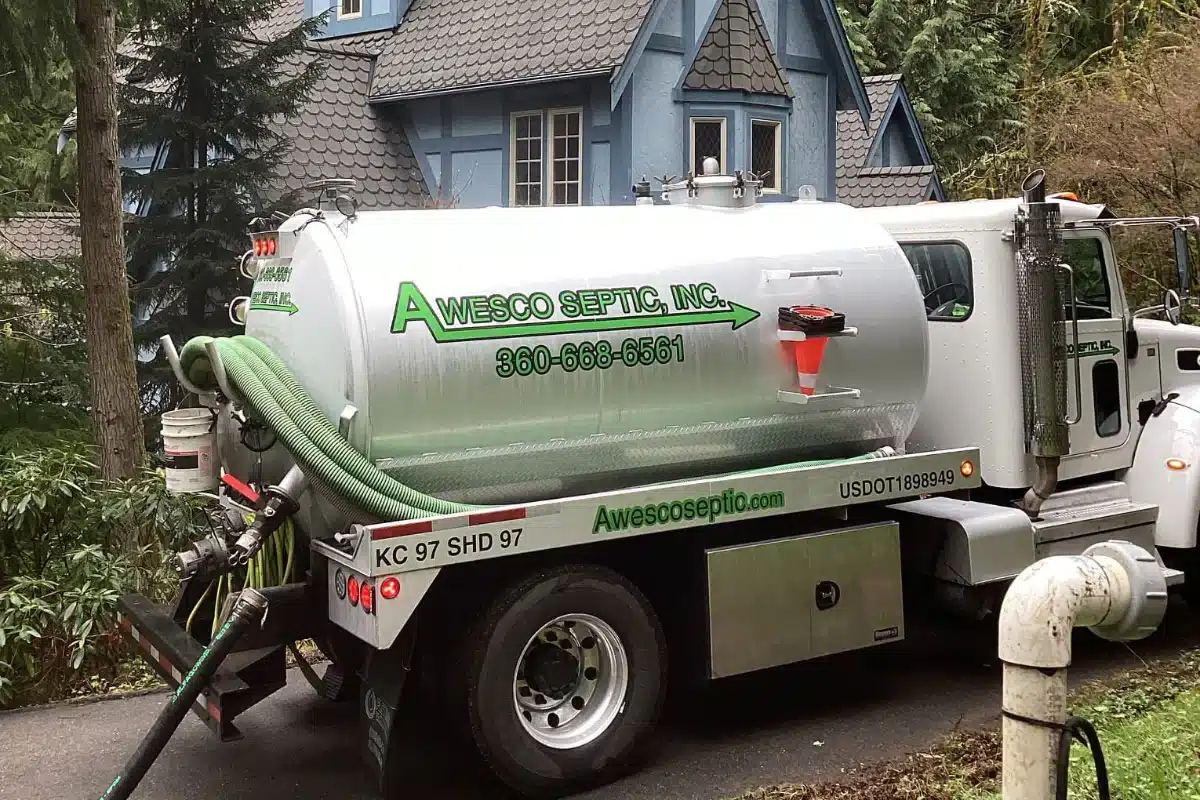
Why Inspect Your Septic System?
Even if your septic system isn’t showing signs of trouble, that doesn’t mean it’s working properly. Hidden issues can develop slowly—until one day, your system backs up, overflows, or stops working entirely.
Routine inspections can:
- Detect issues early—before they turn into costly repairs
- Ensure your system is functioning properly and safely
- Help you stay in compliance with local health regulations
- Provide peace of mind for homeowners and buyers alike
Our licensed technicians perform thorough inspections of all components of your septic system making nothing is overlooked.
Professional Assessments for Real Estate Transactions
A Wesco Septic specializes in home sale septic inspections, working with real estate agents, buyers, and sellers to provide fast, accurate evaluations of septic systems during property transactions.
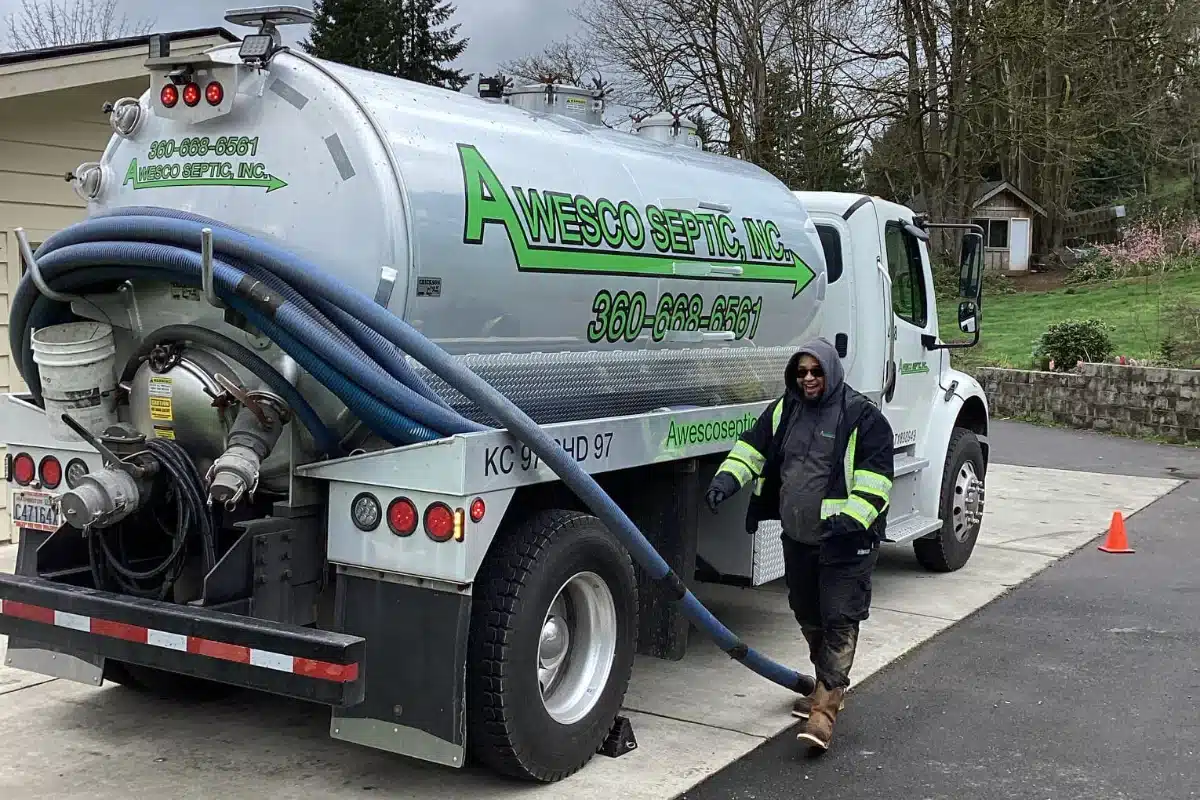
Whether you’re preparing to list a home or about to close on a purchase, our inspections help ensure a smooth and informed process by:

Providing complete system condition reports

Identifying any needed repairs or concerns

Helping avoid delays during escrow or closing

Meeting county and lender requirements for septic system certification
Frequently Asked Questions
1) What does a septic inspection include?
We evaluate the condition and function of key septic components—tank, baffles/tees (as accessible), filters (if present), pump/alarm components (if applicable), and visible signs of drain field issues.
2) Do you do real estate / escrow inspections?
Yes. We can perform inspections for home sales and help you understand what’s needed, what we check, and how to prepare.
3) Do I need to pump the tank for an inspection?
Sometimes it’s recommended depending on history, access, and what needs to be evaluated. We’ll advise whether pumping first makes sense for your specific situation.
4) How long does an inspection take?
Most inspections take about an hour or more depending on access, system type, and whether components need locating.
5) What can cause an inspection to flag issues?
Overdue pumping, clogged filters, damaged baffles/tees, pump/alarm problems, and drain field saturation/failure signs are common findings.
6) What should I do to prepare for an inspection?
Provide any system history you have, ensure the tank area is accessible, secure pets, and confirm power is available if you have a pump system.
7) I’m buying a home—what should I ask for?
Ask for any pumping/maintenance records, the system type (gravity vs pump), tank size, and a clear understanding of where the tank and drain field are located.
8) Can an inspection prevent emergencies?
Yes. Inspections can catch problems early—before they become backups, alarms, or drain field damage.
9) Do you submit paperwork to the county?
Requirements vary by county and situation. We’ll help you understand what’s required and what documentation is typically needed.
10) What if we can’t find the tank lids?
We can help locate components, but buried/unknown lids can add time. Risers are a good long-term upgrade for easy access.
11) Do you do camera inspections?
If needed, camera inspection can help identify line issues or obstructions. We’ll recommend it when symptoms suggest a line problem.
12) What areas do you serve?
Snohomish County, King County, and Camano Island.