
Best and Worst Landscaping Around a Septic System
If your home has a septic system, your yard is more than just landscaping — it is part of how your wastewater system functions. The area around your tank, drain field, and septic components needs to stay accessible, protected, and free from anything that can cause damage underground.
Good landscaping can help your property look clean and well maintained. Bad landscaping can lead to cracked pipes, blocked access lids, damaged drain fields, and expensive septic repairs.
Here is what homeowners should know before planting, building, or making changes around a septic system.
Why Landscaping Matters With Septic Systems
A septic system depends on underground components working properly. The tank holds and separates waste, while the drain field disperses treated wastewater into the soil.
That means anything placed above or near those areas can affect the system. Roots can grow into pipes. Heavy materials can compact the soil. Large plants can make inspections or pumping harder. Even too much watering can overload an already sensitive drain field area.
The goal is simple: keep the septic area clear, lightly planted, and easy to access.
Best Plants for Septic Areas
The safest landscaping over or near a drain field is usually shallow-rooted grass or low-maintenance ground cover.
Good options often include:
- Lawn grass
- Native grasses
- Shallow-rooted wildflowers
- Low-growing ground cover
- Light, drought-tolerant plants
These types of plants help prevent erosion without sending aggressive roots deep into the septic system. They also make it easier to spot problems, such as soggy areas, settling soil, or unusual odors.
Plants to Avoid Near a Septic System
Trees and large shrubs should be kept away from septic tanks, pipes, and drain fields. Their roots naturally search for moisture, and septic lines can become a target.
Avoid planting:
- Willow trees
- Poplar trees
- Maple trees
- Alder trees
- Cottonwood trees
- Large ornamental shrubs
- Bamboo
- Anything with aggressive or spreading roots
Even if a tree looks small now, its root system can become a problem years later. A good rule is to plant trees far enough away that their mature root system will not reach the septic area.
Do Not Cover Septic Lids or Access Points
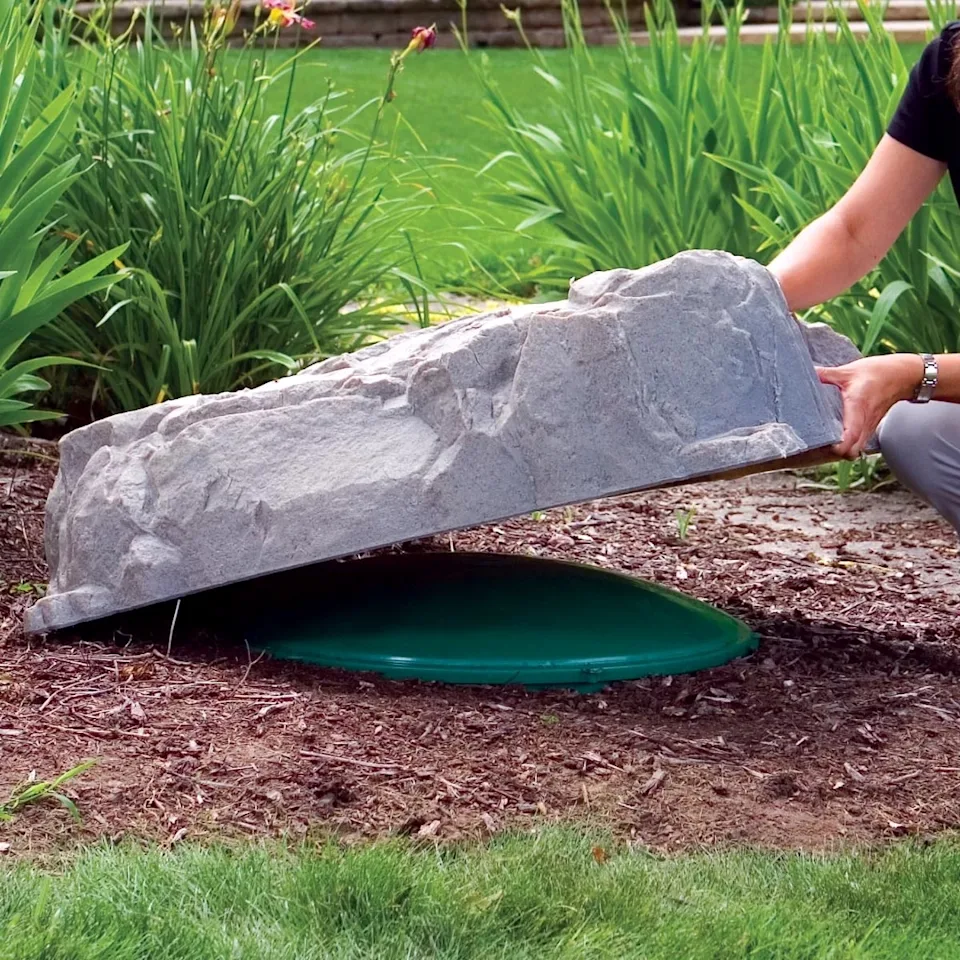
It can be tempting to hide septic lids with mulch, planters, rocks, or decorative features. But covering access points can create problems when the system needs inspection, pumping, or repair.
Septic professionals need quick access to tank lids, risers, control panels, and other components. If those areas are buried or blocked, service can take longer and cost more.
If you want the area to look better, use simple landscaping that can be moved easily. Avoid permanent structures, heavy pots, concrete blocks, or anything that makes access difficult.
Avoid Heavy Landscaping Materials
Drain fields need open, breathable soil. Heavy materials can compact the ground and interfere with how wastewater moves through the soil.
Avoid placing these over a drain field:
- Gravel parking areas
- Paver patios
- Concrete slabs
- Retaining walls
- Raised garden beds
- Large landscape boulders
- Sheds
- Play structures
- Fire pits
Even if the surface looks fine, compacted soil underneath can reduce the drain field’s ability to absorb and treat wastewater.
Be Careful With Irrigation
Too much water around a septic system can cause trouble. Sprinklers, irrigation lines, and heavy watering can saturate the soil, especially during wet months in the Pacific Northwest.
When the soil is already full of water, the drain field cannot work as efficiently. That can lead to slow drains, odors, or wastewater surfacing in the yard.
Keep irrigation away from the drain field when possible, and avoid planting anything that requires frequent watering.
Keep Vegetable Gardens Away From Septic Areas
Vegetable gardens should not be planted over a septic drain field. The soil may be shallow, roots can interfere with the system, and the area may not be ideal for growing food crops.
If you want a garden, choose a location away from the tank and drain field. Raised beds are also best placed outside the septic area so they do not add weight or change drainage patterns above the system.
Watch for Warning Signs in Landscaped Areas
Landscaping can sometimes hide septic problems. Pay attention to changes around your yard, especially near the drain field.
Warning signs may include:
- Grass that is suddenly much greener than the rest of the yard
- Soggy or muddy areas
- Sewage odors outside
- Standing water
- Slow drains inside the home
- Soil settling near the tank
- Plants dying unexpectedly in one area
If you notice these signs, it is best to have the system checked before the problem gets worse.
Plan Before You Plant
Before making major landscaping changes, it helps to know where your septic tank, drain field, and pipes are located. Your septic as-built can show the general layout of the system and help you avoid planting or building in the wrong place.
If you are not sure where your components are, a septic professional can help locate them before you start work.
Final Thoughts
Landscaping around a septic system does not have to be complicated. Keep the area simple, avoid deep roots, stay away from heavy structures, and make sure septic components remain accessible.
A well-planned yard can protect your septic system, make maintenance easier, and help you avoid costly damage in the future.
If you are planning landscaping changes and are not sure where your septic system is located, schedule a septic inspection or system locating service before you dig, plant, or build.